
Here we are in 2026, and many marketing teams are still struggling with the same problem: generating qualified pipeline that sales can actually pursue. When that pipeline doesn’t materialize, revenue growth inevitably suffers.
Inside many of these companies, marketing appears to be working:
- lead numbers are steady,
- campaigns are active, and
- dashboards show encouraging metrics.
Marketing reports downloads, webinar registrations, form fills, and a consistent flow of MQLs entering the system. On the surface, the engine looks productive.
From a leadership perspective, this creates confidence. The numbers suggest that marketing is doing its job by generating interest and filling the funnel.
When executives review the reports, they see growth in contacts and engagement, which signals momentum.
But on the flip side, sales is often seeing and experiencing something very different…
Instead of a growing pipeline, they see deals that struggle to develop. SDRs reach out to leads who rarely respond or who were never seriously evaluating a solution in the first place.
Account executives spend time qualifying conversations that never turn into real opportunities. The result is a pipeline that looks thin despite strong lead volume.
This disconnect leads many companies to believe they simply need more leads. In reality, the problem is rarely volume. The issue is structural.
The difference between interest signals and buying intent
Most marketing systems were built to capture signals of interest rather than identify companies entering an active buying process.
Downloads, webinar registrations, and content engagement indicate curiosity or research behavior, but they do not necessarily signal that a company is preparing to purchase software.
Pipeline emerges from a very different dynamic. It appears when a company has a defined problem, recognizes the urgency to solve it, and begins evaluating solutions in the market. That moment represents commercial intent.
When marketing systems focus primarily on engagement signals, they tend to produce large numbers of contacts rather than buyers. The activity looks impressive in reports, but it does little to move revenue.
The core issue is clear: marketing is producing contacts, not commercial intent.
The lead illusion: how MQL-driven marketing creates false confidence
B2B marketing teams still operate on a demand generation model built around lead production.
The playbook is familiar: content downloads, webinars, gated assets, and paid lead campaigns designed to fill the top of the funnel.
These programs grow the database quickly and produce attractive metrics like low cost per lead and rising MQL volume.
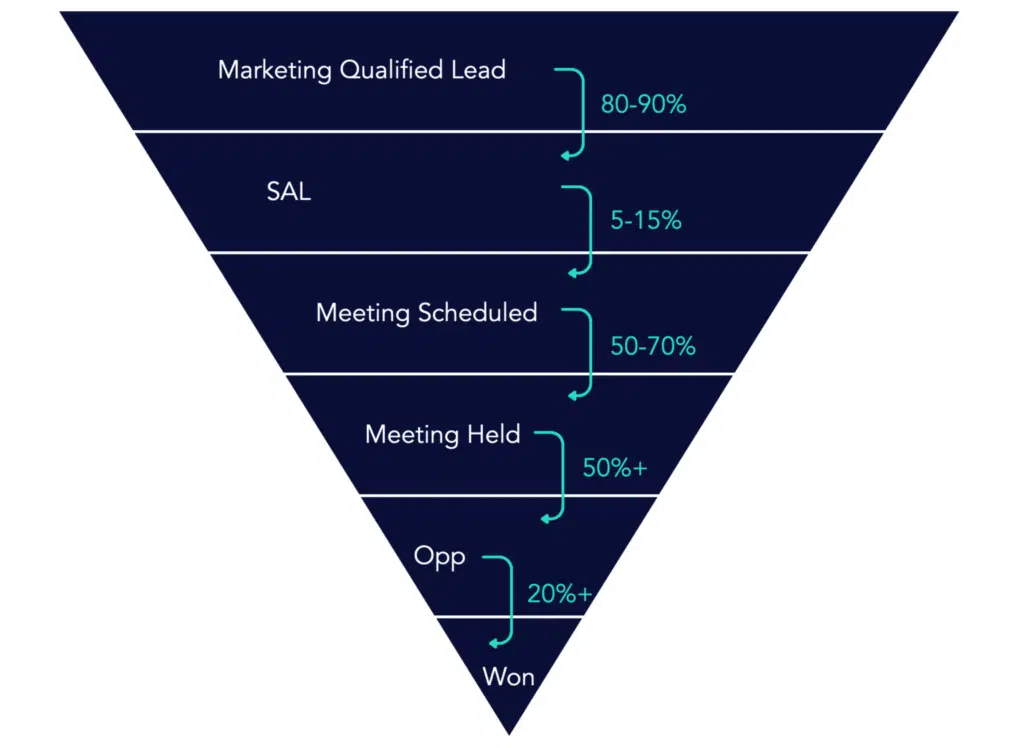
From a reporting perspective, the system appears to work. Dashboards show engagement, campaigns generate contacts, and marketing reports steady growth in the funnel.
The problem is that most of these tactics capture research behavior rather than buying intent.
Someone downloading an industry guide may simply be learning about a topic. A webinar attendee may be exploring an idea. These signals indicate interest, but they rarely mean a company is actively evaluating software.
Revenue teams usually see the gap immediately. A VP of Sales notices it within the first few weeks of a campaign launching. SDRs begin working through hundreds of new leads and quickly realize that many never respond or were never serious buyers. As outreach continues, the funnel shrinks rapidly and pipeline conversion rates collapse.
For example: a typical campaign illustrates the issue clearly. A webinar may attract 1,200 registrants and generate around 300 marketing qualified leads based on engagement scoring. SDR outreach might produce 40 booked meetings, but once discovery conversations begin, the number of real opportunities often falls to six or fewer. In the end, that entire effort may produce a single closed deal.
From a marketing perspective, the campaign was successful. Registrations were strong, MQL targets were exceeded, and the cost per lead remained efficient.
However, from a revenue perspective, leaders see something very different. They see how quickly engagement leaks out of the funnel and how little of it turns into actual pipeline.
This is the illusion created by MQL-driven marketing: large volumes of activity that create confidence on dashboards but translate into very few buying conversations.
Pipeline is not a marketing output. It’s the result of buyer intent
A common mistake in B2B marketing is treating pipeline as something marketing simply produces. In reality, pipeline emerges when a company enters an active buying process. Marketing can influence that moment and capture it, but it cannot create it through activity alone.
Experienced operators understand that pipeline appears when three things align: the right audience, the right problem, and the right moment in the buyer’s cycle.
First, marketing must reach companies that realistically buy the solution. If targeting is too broad, campaigns attract attention from people who will never become customers.
Second, the message must address a real and pressing problem. Buyers move when a problem becomes costly enough that it needs solving.
Third, the company must be in the right stage of evaluation. This is the variable many marketing strategies ignore.
Most demand generation programs focus on capturing attention through engagement signals such as downloads, webinar registrations, and content consumption. These behaviors indicate curiosity, but they do not necessarily mean a company is evaluating software.
Buying signals look very different. They appear when companies start comparing vendors, researching migration from an existing platform, reviewing product categories, planning budgets, or hiring roles related to the problem they need to solve.
Pipeline forms when marketing intersects with those moments of evaluation. When a company actively researching solutions encounters your product, engagement shifts from curiosity to decision-making. That is when attention begins to turn into real pipeline.
The operator framework: how to turn marketing into a pipeline engine
Once companies recognize the gap between lead generation and real pipeline, the next step is redesigning how marketing operates. Strong revenue teams stop asking how to generate more leads and start asking how marketing can intersect with real buying activity.
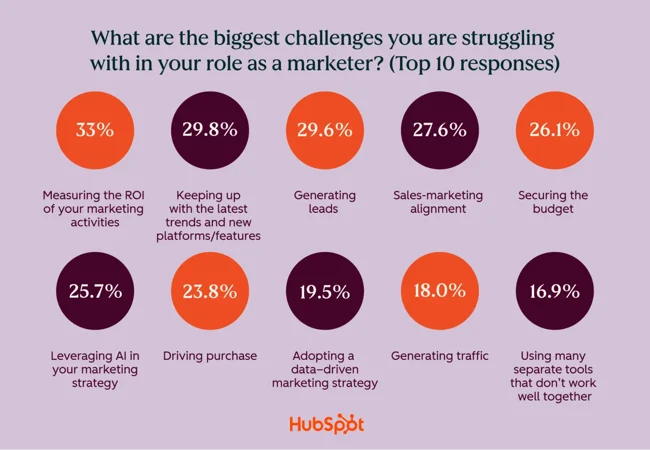
One useful way to think about this shift is through what I call the Pipeline Alignment Model, which focuses on three layers.
Layer 1: ICP precision
Most companies define their target market far too broadly. Saying your audience is “SaaS companies” or “tech companies” includes thousands of organizations with different maturity levels, budgets, and problems.
Pipeline improves when targeting becomes precise. Operators define their ideal customer profile using attributes such as funding stage, growth phase, tech stack, and common operational challenges.
For example, a company might focus on Series B through Series D organizations running specific infrastructure or dealing with a predictable scaling issue.
When targeting sharpens, marketing reaches companies that actually resemble existing customers. Lead quality improves because the campaigns are attracting organizations that are far more likely to buy.
Layer 2: Intent-driven demand capture
The second layer focuses on capturing demand that already exists. Many marketing teams concentrate heavily on awareness while overlooking buyers who are actively researching solutions.
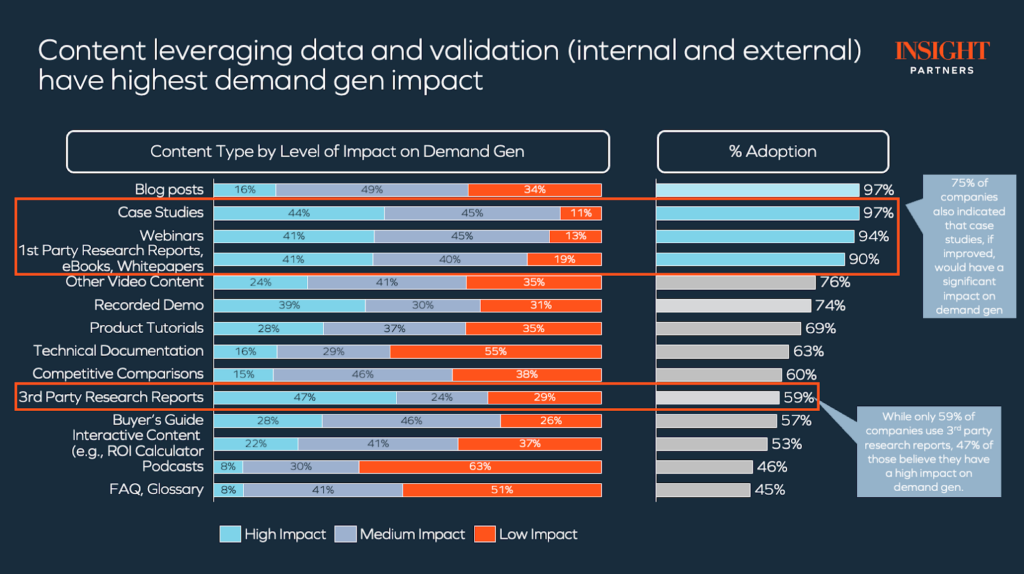
Buyers in evaluation mode search for specific information. They compare competitors, research migration options, examine pricing structures, and look for implementation guidance. Content that answers these questions meets buyers when they are making decisions.
Competitor comparisons, migration guides, pricing analysis, and implementation discussions often convert far better than broad thought leadership because they align with active evaluation rather than early research.
Layer 3: Sales-integrated marketing
The final layer aligns marketing with the sales process. In many organizations, marketing generates leads while sales handles the real buying conversation.
Operators close this gap by building marketing around the questions that appear during deals. They examine what buyers ask before committing, which objections stall opportunities, and what events trigger companies to evaluate new solutions.
Marketing then creates content and campaigns that support those moments. Instead of producing leads, marketing begins accelerating real buying conversations.
The real metric shift: from leads to pipeline contribution
When marketing operates this way, the metrics that matter also change.
So many companies still measure marketing success through MQL volume, cost per lead, or webinar registrations. These numbers reflect activity but reveal little about revenue impact.
Experienced leadership teams track pipeline sourced, pipeline influenced, opportunity conversion rates, and sales velocity. These metrics connect marketing performance directly to revenue.
Once pipeline contribution becomes the primary measure, marketing behavior shifts naturally. Campaigns are no longer designed to maximize lead volume but to create opportunities that sales can realistically convert.
If marketing isn’t creating pipeline, the system is wrong
When marketing produces large volumes of leads but little pipeline, companies often assume the issue is performance.
They believe campaigns need improvement, messaging needs refinement, or the team simply needs to generate more activity.
In most cases, the problem isn’t execution. It’s strategy.
If the marketing system is designed to produce downloads, webinar registrations, and form fills, that is exactly what it will generate.
Those signals can make dashboards look healthy, but they do not necessarily translate into real buying conversations.
Pipeline emerges when marketing aligns with how buyers actually enter the market. That requires precise targeting, content that supports evaluation, and campaigns designed to capture existing demand.
Without that alignment, marketing becomes a lead factory rather than a pipeline engine.
Once the system shifts toward buyer intent, the outcomes change as well. Lead volume may decrease, but opportunity quality improves, and sales teams spend more time working real deals.
Pipeline is rarely a volume problem. It’s usually a design problem.
Closing thoughts
If your marketing produces plenty of activity, but pipeline remains inconsistent, then it’s time for a change so you can start fostering revenue growth.
And more importantly, you need to ask yourself: if the marketing initiatives you have in place were designed to generate engagement or to capture buying intent.
In practice, that means two things.
- marketing needs to create content that actually supports sales conversations. Buyers evaluating solutions want comparisons, implementation guidance, pricing clarity, and answers to the objections that slow deals down. Content built around those moments helps sales move opportunities forward rather than just filling the top of the funnel.
- teams need to test aggressively while staying focused on pipeline outcomes. The rise of AI has made it easier than ever to produce campaigns, ads, and content at scale, but volume alone does not create revenue. The advantage comes from rapidly testing ideas while measuring what actually drives opportunity creation.
When marketing aligns with buyer intent, enables the sales process, and continuously tests what produces pipeline, the entire system begins working toward the same outcome: revenue.